The Shape Of The List
Every culture keeps a drawer of borrowed sentences. Some are polished by schoolrooms, some by politics, some by theater, and some by being repeated at exactly the right moment for a few hundred years. This list treats quotations not as trivia scraps, but as fingerprints: compact marks left by writers, rulers, philosophers, reformers, and poets on the public imagination.
A famous quotation is a tiny machine for memory: a line, a speaker, a situation, and the little shock of recognition when they click together.
Seventy Voices In Miniature

William Shakespeare
Web context identifies William Shakespeare as English playwright and poet (1564–1616). The selected lines lean on question, world's, and stage, so the entry asks readers to hear a voice rather than chase a single catchphrase.
To be, or not to be: that is the question.
All the world's a stage, and all the men and women merely players.
The better part of valor is discretion.

Jane Austen
Known in the source material as English novelist (1775–1817), Jane Austen brings universally, acknowledged, and single into the page. The quotations give the name a small but memorable dramatic range.
It is a truth universally acknowledged, that a single man in possession of a good fortune, must be in want of a wife.
There is no charm equal to tenderness of heart.
Vanity working on a weak head, produces every sort of mischief.

Charles Dickens
Charles Dickens's public profile centers on English writer and journalist (1812–1870). Here the chosen lines move through times, worst, and please, turning attribution into a miniature portrait.
It was the best of times, it was the worst of times.
Please, sir, I want some more.
No one is useless in this world who lightens the burdens of another.
Mark Twain
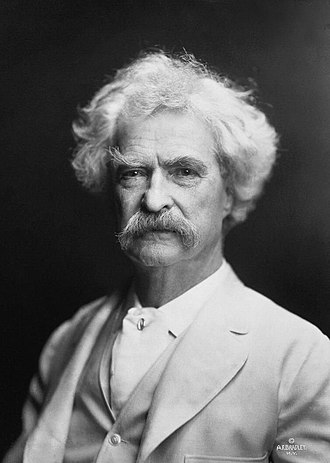
The source trail casts Mark Twain as American author and humorist (1835–1910). These quotations carry report, death, and exaggeration, which is why the entry works as recognition instead of rote recall.
The report of my death was an exaggeration.
The secret of getting ahead is getting started.
Courage is resistance to fear, mastery of fear, not absence of fear.

Oscar Wilde
For this list, Oscar Wilde matters not only as Irish writer (1854–1900), but as a voice attached to resist, except, and temptation. The quotations make that reputation audible.
I can resist everything except temptation.
The truth is rarely pure and never simple.
Experience is simply the name we give our mistakes.

Abraham Lincoln
Web context identifies Abraham Lincoln as President of the United States from 1861 to 1865. The selected lines lean on government, shall, and perish, so the entry asks readers to hear a voice rather than chase a single catchphrase.
Government of the people, by the people, for the people, shall not perish from the earth.
With malice toward none, with charity for all.
I am a slow walker, but I never walk back.
Benjamin Franklin
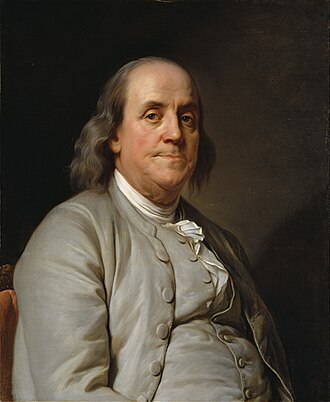
Known in the source material as American Founding Father and polymath (1706–1790), Benjamin Franklin brings investment, interest, and early into the page. The quotations give the name a small but memorable dramatic range.
An investment in knowledge pays the best interest.
Early to bed and early to rise makes a man healthy, wealthy, and wise.
Lost time is never found again.

Thomas Jefferson
Thomas Jefferson's public profile centers on Founding Father, U.S. president from 1801 to 1809. Here the chosen lines move through created, equal, and books, turning attribution into a miniature portrait.
All men are created equal.
I cannot live without books.
Honesty is the first chapter in the book of wisdom.

George Washington
The source trail casts George Washington as U.S. Founding Father, president from 1789 to 1797. These quotations carry better, offer, and excuse, which is why the entry works as recognition instead of rote recall.
It is better to offer no excuse than a bad one.
Associate with men of good quality if you esteem your own reputation.
Labor to keep alive in your breast that little spark of celestial fire called conscience.

Theodore Roosevelt
For this list, Theodore Roosevelt matters not only as President of the United States from 1901 to 1909, but as a voice attached to speak, softly, and carry. The quotations make that reputation audible.
Speak softly and carry a big stick.
Do what you can, with what you have, where you are.
Far and away the best prize that life offers is the chance to work hard at work worth doing.

Socrates
Web context identifies Socrates as Greek philosopher (c. 470–399 BC). The selected lines lean on unexamined, worth, and living, so the entry asks readers to hear a voice rather than chase a single catchphrase.
The unexamined life is not worth living.
I know that I know nothing.
There is only one good, knowledge, and one evil, ignorance.

Plato
Known in the source material as Greek philosopher, Plato brings necessity, mother, and invention into the page. The quotations give the name a small but memorable dramatic range.
Necessity is the mother of invention.
Opinion is the medium between knowledge and ignorance.
The beginning is the most important part of the work.

Aristotle
Aristotle's public profile centers on Ancient Greek philosopher and polymath (384–322 BC). Here the chosen lines move through nature, political, and animal, turning attribution into a miniature portrait.
Man is by nature a political animal.
Knowing yourself is the beginning of all wisdom.
We are what we repeatedly do. Excellence, then, is not an act, but a habit.

Confucius
The source trail casts Confucius as Chinese philosopher (c. 551 – c. 479 BCE). These quotations carry slowly, extent, and one's, which is why the entry works as recognition instead of rote recall.
It does not matter how slowly you go as long as you do not stop.
Real knowledge is to know the extent of one's ignorance.
Study the past if you would define the future.

Lao Tzu
For this list, Lao Tzu matters not only as Semi-legendary Chinese philosopher, founder of Taoism, but as a voice attached to journey, thousand, and miles. The quotations make that reputation audible.
A journey of a thousand miles begins with a single step.
To know others is wisdom; to know yourself is enlightenment.
Nature does not hurry, yet everything is accomplished.
Sun Tzu
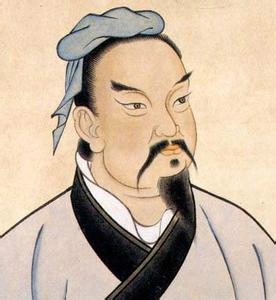
Web context identifies Sun Tzu as Chinese general (544–496 BC). The selected lines lean on warfare, based, and deception, so the entry asks readers to hear a voice rather than chase a single catchphrase.
All warfare is based on deception.
Know the enemy and know yourself; you need not fear the result of a hundred battles.
The supreme art of war is to subdue the enemy without fighting.

Marcus Aurelius
Known in the source material as Stoic philosopher, Roman emperor from 161 to 180, Marcus Aurelius brings outside, events, and depends into the page. The quotations give the name a small but memorable dramatic range.
You have power over your mind, not outside events.
The happiness of your life depends upon the quality of your thoughts.
Waste no more time arguing what a good man should be. Be one.

Julius Caesar
Julius Caesar's public profile centers on Roman general and dictator (100–44 BC). Here the chosen lines move through conquered, experience, and teacher, turning attribution into a miniature portrait.
I came, I saw, I conquered.
The die is cast.
Experience is the teacher of all things.

Napoleon Bonaparte
The source trail casts Napoleon Bonaparte as French general and emperor (1769–1821). These quotations carry impossible, dictionary, and fools, which is why the entry works as recognition instead of rote recall.
Impossible is a word to be found only in the dictionary of fools.
A leader is a dealer in hope.
Glory is fleeting, but obscurity is forever.

Queen Elizabeth I
For this list, Queen Elizabeth I matters not only as Queen of England and Ireland from 1558 to 1603, but as a voice attached to stomach, feeble, and though. The quotations make that reputation audible.
I have the heart and stomach of a king.
I know I have the body of a weak and feeble woman.
Though the sex to which I belong is considered weak, you will nevertheless find me a rock.

Isaac Newton
Web context identifies Isaac Newton as English polymath (1642–1727). The selected lines lean on further, standing, and shoulders, so the entry asks readers to hear a voice rather than chase a single catchphrase.
If I have seen further it is by standing on the shoulders of giants.
I can calculate the motion of heavenly bodies, but not the madness of people.
Truth is ever to be found in simplicity, and not in the multiplicity and confusion of things.

Galileo Galilei
Known in the source material as Italian physicist and astronomer (1564–1642), Galileo Galilei brings moves, teach, and himself into the page. The quotations give the name a small but memorable dramatic range.
And yet it moves.
You cannot teach a man anything; you can only help him find it within himself.
Measure what is measurable, and make measurable what is not so.

Leonardo da Vinci
Leonardo da Vinci's public profile centers on Italian polymath (1452–1519). Here the chosen lines move through simplicity, ultimate, and sophistication, turning attribution into a miniature portrait.
Simplicity is the ultimate sophistication.
Learning never exhausts the mind.
Art is never finished, only abandoned.

Michelangelo
The source trail casts Michelangelo as Italian artist and architect (1475–1564). These quotations carry angel, marble, and carved, which is why the entry works as recognition instead of rote recall.
I saw the angel in the marble and carved until I set him free.
Genius is eternal patience.
I am still learning.

Voltaire
For this list, Voltaire matters not only as French writer and philosopher (1694–1778), but as a voice attached to judge, questions, and answers. The quotations make that reputation audible.
Judge a man by his questions rather than by his answers.
Those who can make you believe absurdities can make you commit atrocities.
Every man is guilty of all the good he did not do.

Jean-Jacques Rousseau
Web context identifies Jean-Jacques Rousseau as Genevan philosopher, writer, and composer (1712–1778). The selected lines lean on everywhere, chains, and patience, so the entry asks readers to hear a voice rather than chase a single catchphrase.
Man is born free, and everywhere he is in chains.
Patience is bitter, but its fruit is sweet.
The world of reality has its limits; the world of imagination is boundless.

Rene Descartes
Known in the source material as French philosopher and mathematician (1596–1650), Rene Descartes brings think, therefore, and reading into the page. The quotations give the name a small but memorable dramatic range.
I think, therefore I am.
The reading of all good books is like conversation with the finest minds.
Divide each difficulty into as many parts as is feasible and necessary.

Immanuel Kant
Immanuel Kant's public profile centers on German philosopher (1724–1804). Here the chosen lines move through sapere, science, and organized, turning attribution into a miniature portrait.
Sapere aude: dare to know.
Science is organized knowledge. Wisdom is organized life.
Out of the crooked timber of humanity, no straight thing was ever made.

Friedrich Nietzsche
The source trail casts Friedrich Nietzsche as German philosopher (1844–1900). These quotations carry stronger, facts, and interpretations, which is why the entry works as recognition instead of rote recall.
That which does not kill us makes us stronger.
He who has a why to live can bear almost any how.
There are no facts, only interpretations.

Arthur Schopenhauer
For this list, Arthur Schopenhauer matters not only as German philosopher (1788–1860), but as a voice attached to talent, target, and genius. The quotations make that reputation audible.
Talent hits a target no one else can hit; genius hits a target no one else can see.
All truth passes through three stages.
Compassion is the basis of morality.

John Stuart Mill
Web context identifies John Stuart Mill as English philosopher and author (1806–1873). The selected lines lean on himself, individual, and sovereign, so the entry asks readers to hear a voice rather than chase a single catchphrase.
Over himself, over his own body and mind, the individual is sovereign.
He who knows only his own side of the case knows little of that.
Bad men need nothing more to compass their ends, than that good men should look on and do nothing.

Mary Wollstonecraft
Known in the source material as English writer and philosopher (1759–1797), Mary Wollstonecraft brings themselves, beginning, and today into the page. The quotations give the name a small but memorable dramatic range.
I do not wish women to have power over men; but over themselves.
The beginning is always today.
Virtue can only flourish among equals.

Emily Dickinson
Emily Dickinson's public profile centers on American poet (1830–1886). Here the chosen lines move through feathers, forever, and composed, turning attribution into a miniature portrait.
Hope is the thing with feathers.
Forever is composed of nows.
Tell all the truth but tell it slant.

Walt Whitman
The source trail casts Walt Whitman as American poet, essayist and journalist (1819–1892). These quotations carry contain, multitudes, and contradict, which is why the entry works as recognition instead of rote recall.
I contain multitudes.
Do I contradict myself? Very well then I contradict myself.
The powerful play goes on, and you may contribute a verse.

Edgar Allan Poe
For this list, Edgar Allan Poe matters not only as American writer and critic (1809–1849), but as a voice attached to quoth, raven, and nevermore. The quotations make that reputation audible.
Quoth the Raven, Nevermore.
All that we see or seem is but a dream within a dream.
There is no beauty without some strangeness.

Ralph Waldo Emerson
Web context identifies Ralph Waldo Emerson as American philosopher (1803–1882). The selected lines lean on constantly, trying, and greatest, so the entry asks readers to hear a voice rather than chase a single catchphrase.
To be yourself in a world that is constantly trying to make you something else is the greatest accomplishment.
Nothing great was ever achieved without enthusiasm.
A foolish consistency is the hobgoblin of little minds.

Henry David Thoreau
Known in the source material as American philosopher (1817–1862), Henry David Thoreau brings lives, quiet, and desperation into the page. The quotations give the name a small but memorable dramatic range.
The mass of men lead lives of quiet desperation.
Simplify, simplify.
The price of anything is the amount of life you exchange for it.

Leo Tolstoy
Leo Tolstoy's public profile centers on Russian writer (1828–1910). Here the chosen lines move through happy, families, and alike, turning attribution into a miniature portrait.
All happy families are alike; each unhappy family is unhappy in its own way.
Everyone thinks of changing the world, but no one thinks of changing himself.
If you want to be happy, be.
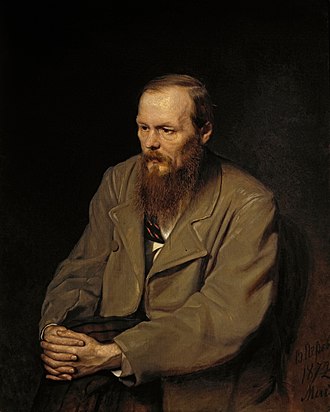
Fyodor Dostoevsky
The source trail casts Fyodor Dostoevsky as Russian novelist (1821–1881). These quotations carry beauty, healed, and children, which is why the entry works as recognition instead of rote recall.
Beauty will save the world.
The soul is healed by being with children.
To live without hope is to cease to live.

Anton Chekhov
For this list, Anton Chekhov matters not only as Russian dramatist and author (1860–1904), but as a voice attached to pistol, fired, and brevity. The quotations make that reputation audible.
If in the first act you have hung a pistol on the wall, then it should be fired.
Brevity is the sister of talent.
Knowledge is of no value unless you put it into practice.

Victor Hugo
Web context identifies Victor Hugo as French writer and politician (1802–1885). The selected lines lean on darkest, night, and powerful, so the entry asks readers to hear a voice rather than chase a single catchphrase.
Even the darkest night will end and the sun will rise.
Nothing is more powerful than an idea whose time has come.
To love another person is to see the face of God.

Alexandre Dumas
Known in the source material as French writer and dramatist (1802–1870), Alexandre Dumas brings storm, young, and friend into the page. The quotations give the name a small but memorable dramatic range.
All for one and one for all.
Wait and hope.
Life is a storm, my young friend.

Homer
Homer's public profile centers on Ancient Greek poet. Here the chosen lines move through goddess, anger, and peleus, turning attribution into a miniature portrait.
Sing, goddess, the anger of Peleus' son Achilles.
There is a time for many words, and there is also a time for sleep.
Even a fool learns something once it hits him.

Dante Alighieri
The source trail casts Dante Alighieri as Italian writer and philosopher (1265–1321). These quotations carry abandon, enter, and paradise, which is why the entry works as recognition instead of rote recall.
Abandon all hope, ye who enter here.
The path to paradise begins in hell.
In His will is our peace.

John Milton
For this list, John Milton matters not only as English poet and civil servant (1608–1674), but as a voice attached to better, reign, and serve. The quotations make that reputation audible.
Better to reign in Hell than serve in Heaven.
They also serve who only stand and wait.
The mind is its own place, and in itself can make a heaven of hell.

Geoffrey Chaucer
Web context identifies Geoffrey Chaucer as English writer (1343–1400). The selected lines lean on short, craft, and learn, so the entry asks readers to hear a voice rather than chase a single catchphrase.
Time and tide wait for no man.
The life so short, the craft so long to learn.
Forbid us something, and that thing we desire.

Lord Byron
Known in the source material as British poet (1788–1824), Lord Byron brings walks, beauty, and night into the page. The quotations give the name a small but memorable dramatic range.
She walks in beauty, like the night.
The great art of life is sensation, to feel that we exist.
Adversity is the first path to truth.

Percy Bysshe Shelley
Percy Bysshe Shelley's public profile centers on English poet (1792–1822). Here the chosen lines move through works, mighty, and despair, turning attribution into a miniature portrait.
Look on my works, ye Mighty, and despair!
Poets are the unacknowledged legislators of the world.
Our sweetest songs are those that tell of saddest thought.

John Keats
The source trail casts John Keats as English Romantic poet (1795–1821). These quotations carry beauty, forever, and heard, which is why the entry works as recognition instead of rote recall.
A thing of beauty is a joy forever.
Beauty is truth, truth beauty.
Heard melodies are sweet, but those unheard are sweeter.

William Wordsworth
For this list, William Wordsworth matters not only as English Romantic poet (1770–1850), but as a voice attached to child, father, and poetry. The quotations make that reputation audible.
The child is father of the man.
The world is too much with us.
Poetry is the spontaneous overflow of powerful feelings.
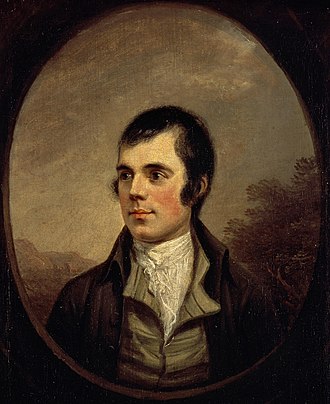
Robert Burns
Web context identifies Robert Burns as Scottish poet and lyricist (1759–1796). The selected lines lean on man's, schemes, and agley, so the entry asks readers to hear a voice rather than chase a single catchphrase.
A man's a man for a' that.
The best laid schemes o' mice an' men gang aft agley.
My love is like a red, red rose.

Samuel Johnson
Known in the source material as English writer and lexicographer (1709–1784), Samuel Johnson brings tired, london, and patriotism into the page. The quotations give the name a small but memorable dramatic range.
When a man is tired of London, he is tired of life.
Patriotism is the last refuge of the scoundrel.
No man but a blockhead ever wrote, except for money.
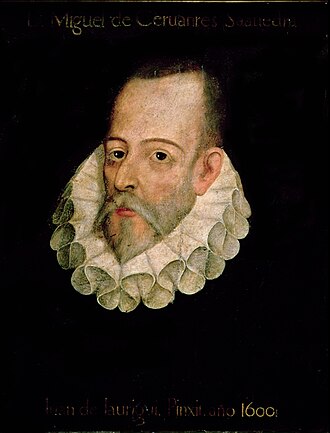
Miguel de Cervantes
Miguel de Cervantes's public profile centers on Spanish writer (1547–1616). Here the chosen lines move through stretched, breaks, and sanity, turning attribution into a miniature portrait.
The truth may be stretched thin, but it never breaks.
Too much sanity may be madness.
The pen is the tongue of the mind.

Niccolo Machiavelli
The source trail casts Niccolo Machiavelli as Florentine statesman, diplomat, and political theorist (1469–1527). These quotations carry better, feared, and loved, which is why the entry works as recognition instead of rote recall.
It is better to be feared than loved, if you cannot be both.
The ends justify the means.
Never attempt to win by force what can be won by deception.

Francis Bacon
For this list, Francis Bacon matters not only as English philosopher and statesman (1561–1626), but as a voice attached to books, tasted, and others. The quotations make that reputation audible.
Knowledge is power.
Some books are to be tasted, others to be swallowed.
Reading maketh a full man; conference a ready man; and writing an exact man.

Blaise Pascal
Web context identifies Blaise Pascal as French polymath (1623–1662). The selected lines lean on reasons, reason, and knows, so the entry asks readers to hear a voice rather than chase a single catchphrase.
The heart has its reasons, of which reason knows nothing.
All of humanity's problems stem from man's inability to sit quietly in a room alone.
Cleopatra's nose, had it been shorter, the whole face of the world would have been changed.

John Locke
Known in the source material as English philosopher and physician (1632–1704), John Locke brings man's, beyond, and experience into the page. The quotations give the name a small but memorable dramatic range.
No man's knowledge here can go beyond his experience.
The end of law is not to abolish or restrain, but to preserve and enlarge freedom.
Reading furnishes the mind only with materials of knowledge.

Thomas Paine
Thomas Paine's public profile centers on American philosopher and author (1737–1809). Here the chosen lines move through times, men's, and souls, turning attribution into a miniature portrait.
These are the times that try men's souls.
The world is my country, all mankind are my brethren.
What we obtain too cheap, we esteem too lightly.

Frederick Douglass
The source trail casts Frederick Douglass as American abolitionist (1818–1895). These quotations carry struggle, progress, and concedes, which is why the entry works as recognition instead of rote recall.
If there is no struggle, there is no progress.
Power concedes nothing without a demand.
It is easier to build strong children than to repair broken men.

Booker T. Washington
For this list, Booker T. Washington matters not only as American educator, author, orator and adviser, but as a voice attached to bucket, success, and measured. The quotations make that reputation audible.
Cast down your bucket where you are.
Success is to be measured not so much by the position one has reached as by the obstacles overcome.
If you want to lift yourself up, lift up someone else.

Sojourner Truth
Web context identifies Sojourner Truth as African-American activist (1797–1883). The selected lines lean on ain't, powerful, and prevails, so the entry asks readers to hear a voice rather than chase a single catchphrase.
Ain't I a woman?
Truth is powerful and it prevails.
If women want any rights more than they've got, why don't they just take them?

Susan B. Anthony
Known in the source material as American women's rights activist (1820–1906), Susan B. Anthony brings failure, impossible, and rights into the page. The quotations give the name a small but memorable dramatic range.
Failure is impossible.
Men, their rights, and nothing more; women, their rights, and nothing less.
Independence is happiness.

Elizabeth Cady Stanton
Elizabeth Cady Stanton's public profile centers on American suffragist (1815–1902). Here the chosen lines move through protection, courage, and truths, turning attribution into a miniature portrait.
The best protection any woman can have is courage.
We hold these truths to be self-evident: that all men and women are created equal.
The moment we begin to fear the opinions of others, we are no longer free.

Florence Nightingale
The source trail casts Florence Nightingale as English founder of modern nursing (1820–1910). These quotations carry attribute, success, and excuse, which is why the entry works as recognition instead of rote recall.
I attribute my success to this: I never gave or took any excuse.
How very little can be done under the spirit of fear.
Live life when you have it. Life is a splendid gift.

Clara Barton
For this list, Clara Barton matters not only as American Civil War nurse and founder of the American Red Cross (1821–1912), but as a voice attached to compelled, danger, and surest. The quotations make that reputation audible.
I may be compelled to face danger, but never fear it.
The surest test of discipline is its absence.
Everybody's business is nobody's business.

Elizabeth Barrett Browning
Web context identifies Elizabeth Barrett Browning as English poet (1806–1861). The selected lines lean on count, earth's, and crammed, so the entry asks readers to hear a voice rather than chase a single catchphrase.
How do I love thee? Let me count the ways.
Earth's crammed with heaven.
Light tomorrow with today.

Christina Rossetti
Known in the source material as English poet (1830–1894), Christina Rossetti brings better, forget, and smile into the page. The quotations give the name a small but memorable dramatic range.
Better by far you should forget and smile than that you should remember and be sad.
Who has seen the wind? Neither I nor you.
My heart is like a singing bird.

George Eliot
George Eliot's public profile centers on English novelist and poet (1819–1880). Here the chosen lines move through might, difficult, and deeds, turning attribution into a miniature portrait.
It is never too late to be what you might have been.
What do we live for, if not to make life less difficult for each other?
Our deeds determine us, as much as we determine our deeds.

Charlotte Bronte
The source trail casts Charlotte Bronte as English novelist and poet (1816–1855). These quotations carry ensnares, reader, and married, which is why the entry works as recognition instead of rote recall.
I am no bird; and no net ensnares me.
Reader, I married him.
Conventionality is not morality.

Emily Bronte
For this list, Emily Bronte matters not only as English writer and novelist (1818–1848), but as a voice attached to whatever, souls, and myself. The quotations make that reputation audible.
Whatever our souls are made of, his and mine are the same.
He's more myself than I am.
I have dreamt in my life, dreams that have stayed with me ever after.
Editorial Notes
Quotations are slippery objects: they travel through editions, translations, speeches, adaptations, classroom memory, and misquotation. The links on this page are there to slow the game of recognition down just enough to let attribution become a question of evidence as well as familiarity.
Closing
Read straight through, the list becomes a miniature history of how authority sounds. Some voices command, some confess, some joke, and some argue with posterity. The game is to know who spoke; the pleasure is noticing why the words are still speaking.